1 / 6
A musty smell or visible mold.
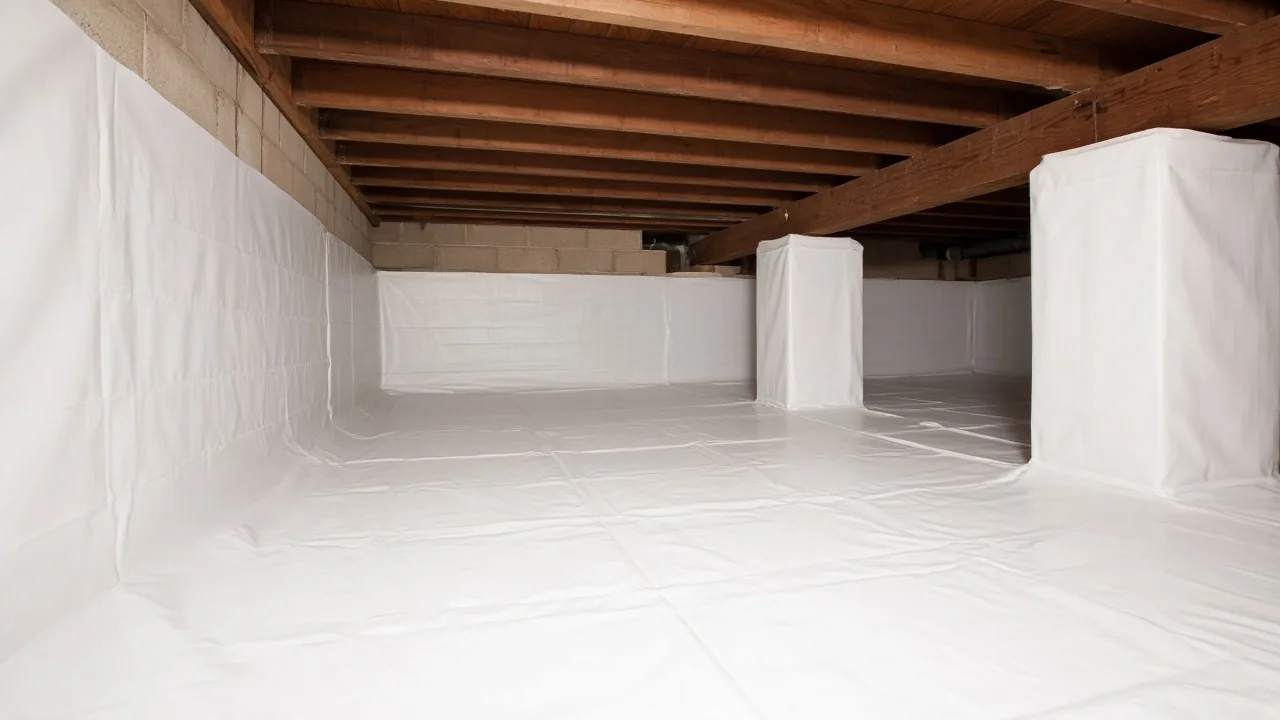
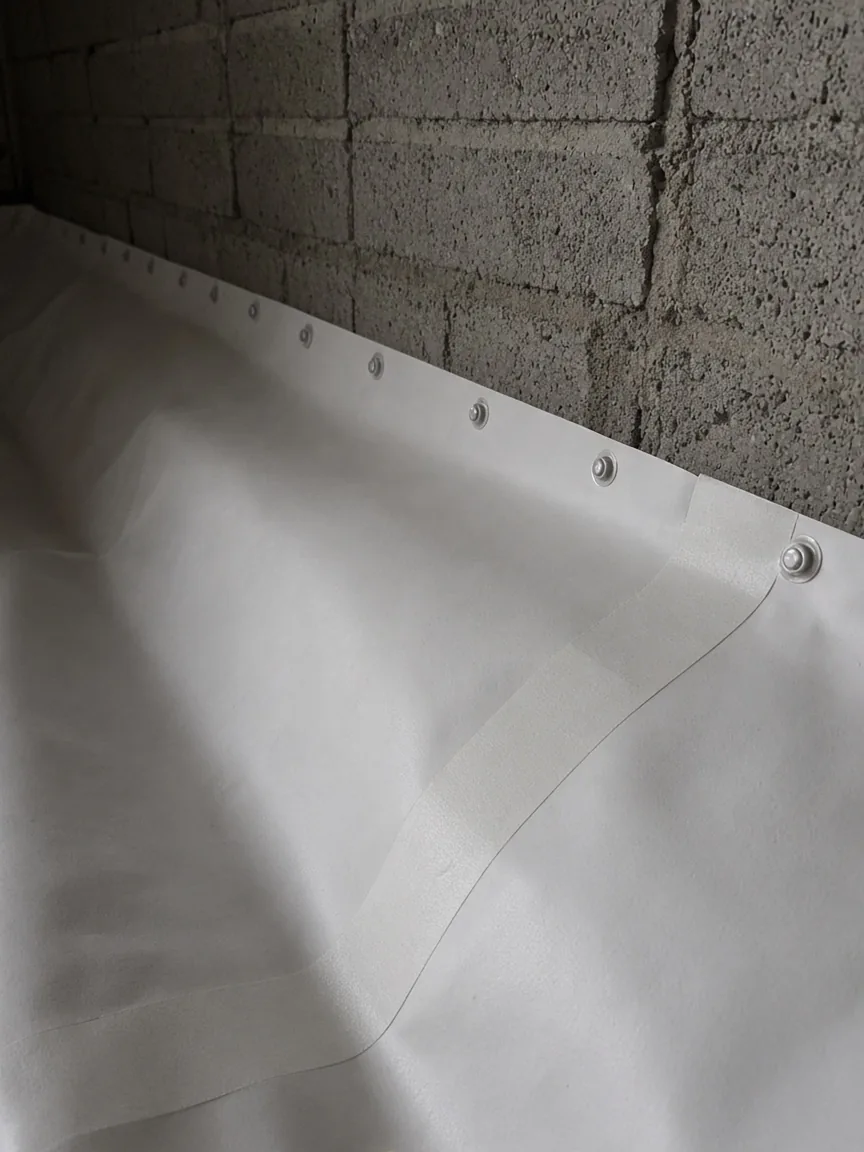
We encapsulate crawl spaces in Kansas City by handling liquid water first, then sealing the ground and walls with a taped liner, closing the vents, and adding a dehumidifier or conditioned air so the house is not sitting over damp soil.
Encapsulation works when it is done in the right order and for the right problem. It is a moisture fix. It keeps the space under your floor dry enough that wood, insulation and ductwork stop soaking up water. It does not level a sagging floor, and it will trap a water problem that was not fixed first. This page explains what the work includes, why it suits this climate, and when it is the wrong first step.
Kansas City
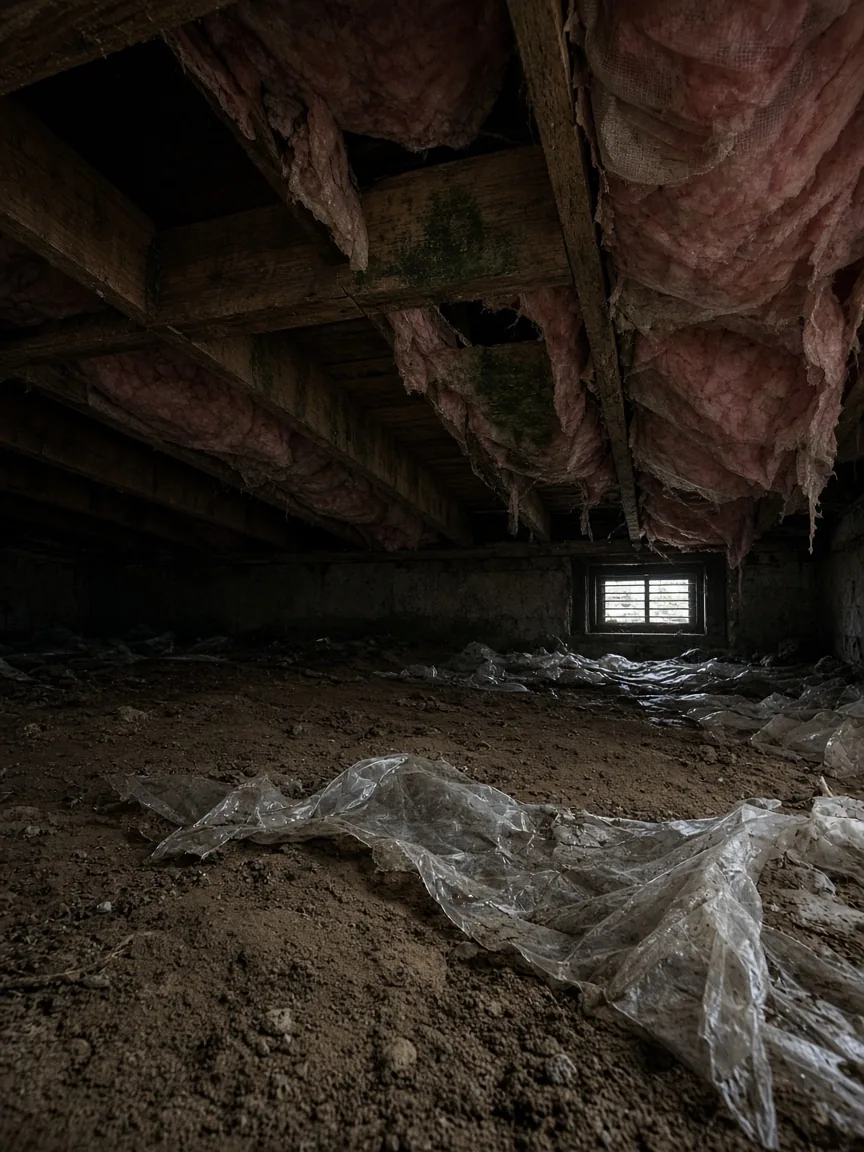
We look at the soil, walls, piers, framing, insulation, ducts, vents and access, and measure moisture in the wood where it looks suspect.
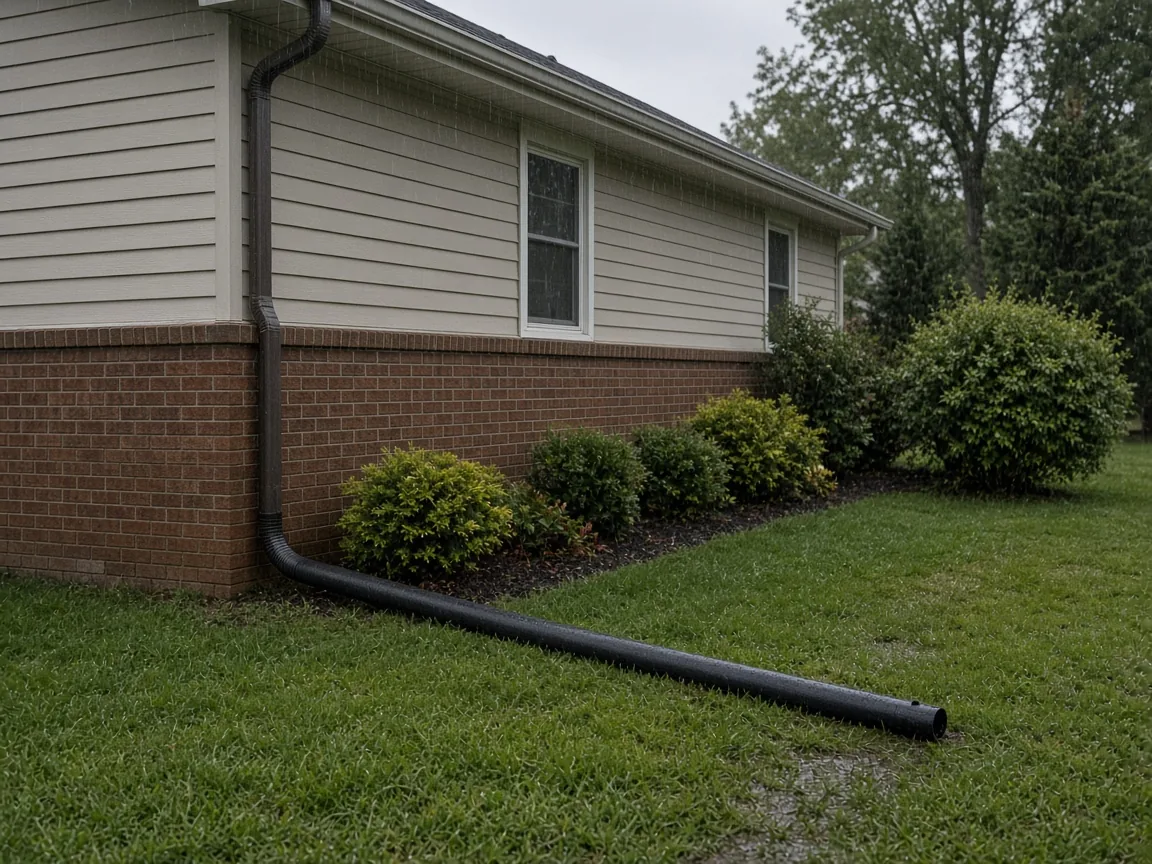
Standing water or seepage gets dealt with before anything is sealed.
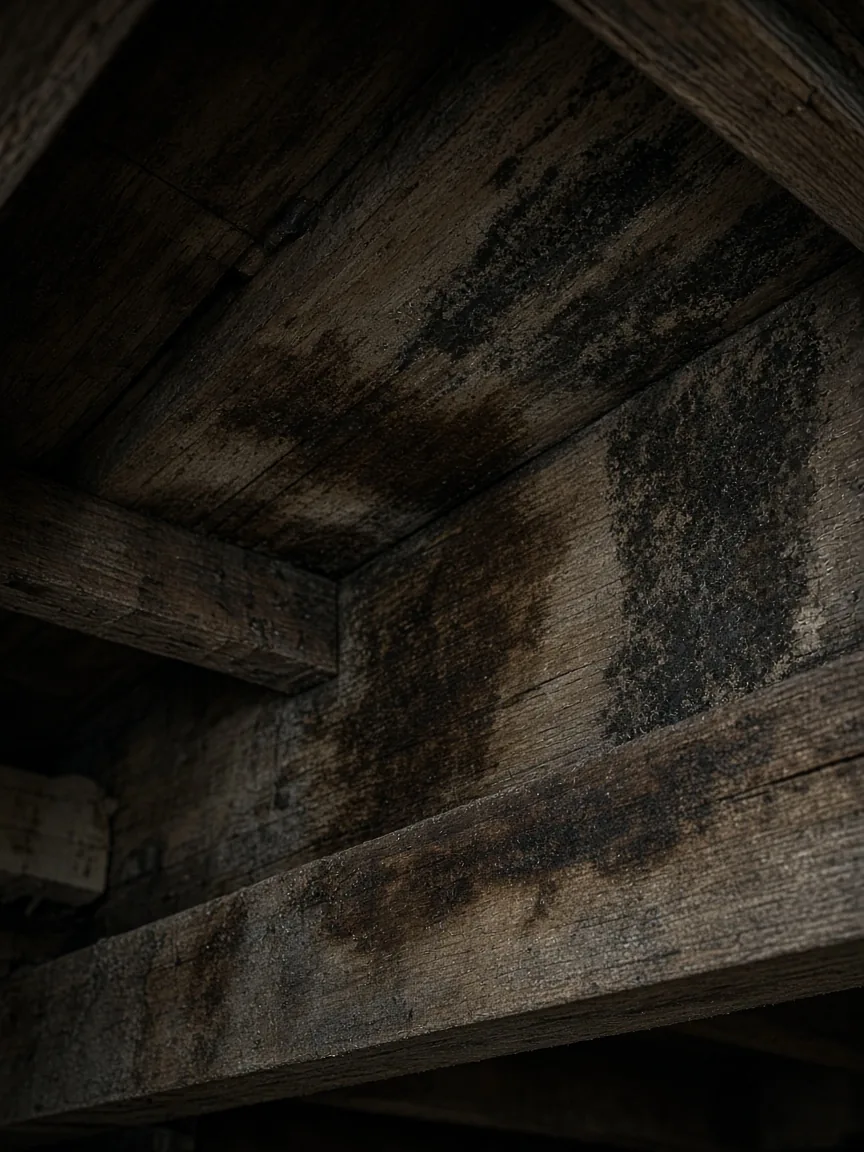
Old plastic, trash and insulation that has fallen or soaked through come out.
The DOE Building America Solution Center's guide to unvented, insulated crawl spaces describes polyethylene of at least 6 mil over the floor and up the walls to within 4 inches of the top of the foundation wall, also up interior piers, fastened to the wall, with seams overlapped 12 inches and sealed.
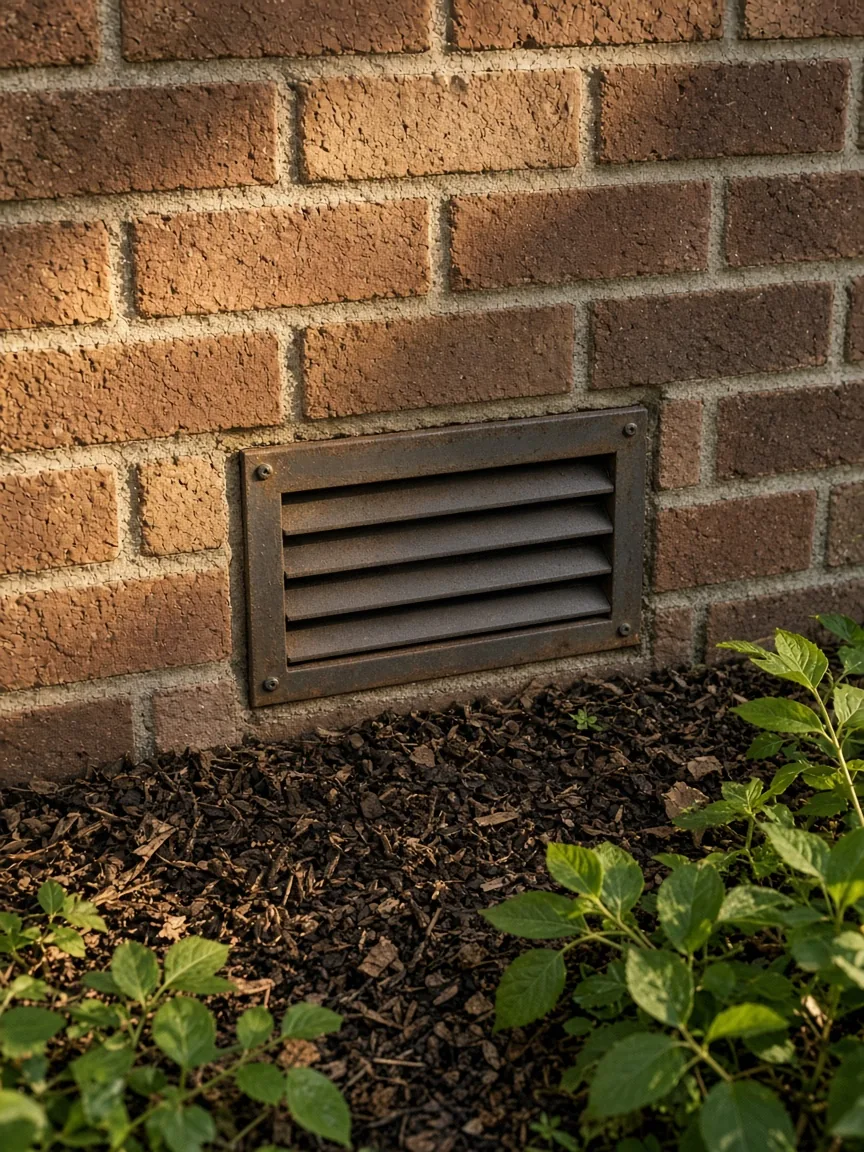
Vents are closed and air leaks to the outside are sealed.
In a closed crawl space the DOE guide puts insulation on the walls as rigid foam, not on the crawl space ceiling.
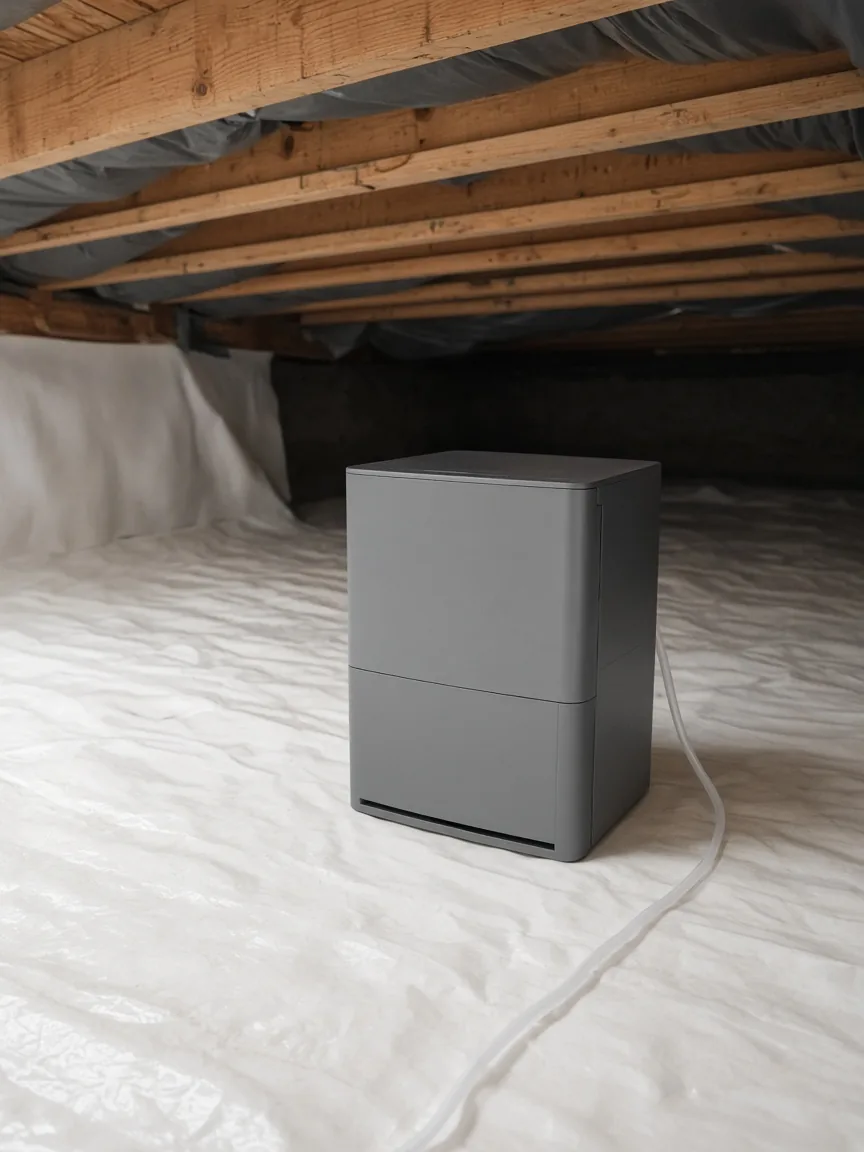
The DOE guide says a closed crawl space needs one, such as a continuously running exhaust fan or a supply of conditioned air. A dehumidifier is another way to dry the space.
A humidity reading you can check tells you the system is working.
CLIMATE ZONE 4A · MIXED HUMID ·Kansas City
The U.S. Department of Energy's guide to climate regions by county places Jackson, Clay, Platte and Cass counties in Missouri, and Johnson, Wyandotte and Leavenworth counties in Kansas, in climate zone 4A, classed as mixed-humid.
In a humid summer, outside air often holds more water vapor than the air under the house. DOE's write-up on unvented, conditioned crawl spaces explains that vents were meant to flush damp air out, but in humid regions venting can lead to structural damage, mold and pest problems. The DOE guide on unvented crawl spaces adds that the warm, humid air condenses on cooler floor joists, more so when the rooms above are air conditioned. Our page on vented vs sealed crawl spaces and our guide on why vented crawl spaces stay wet in Kansas City explain this in full.
A musty smell or visible mold.
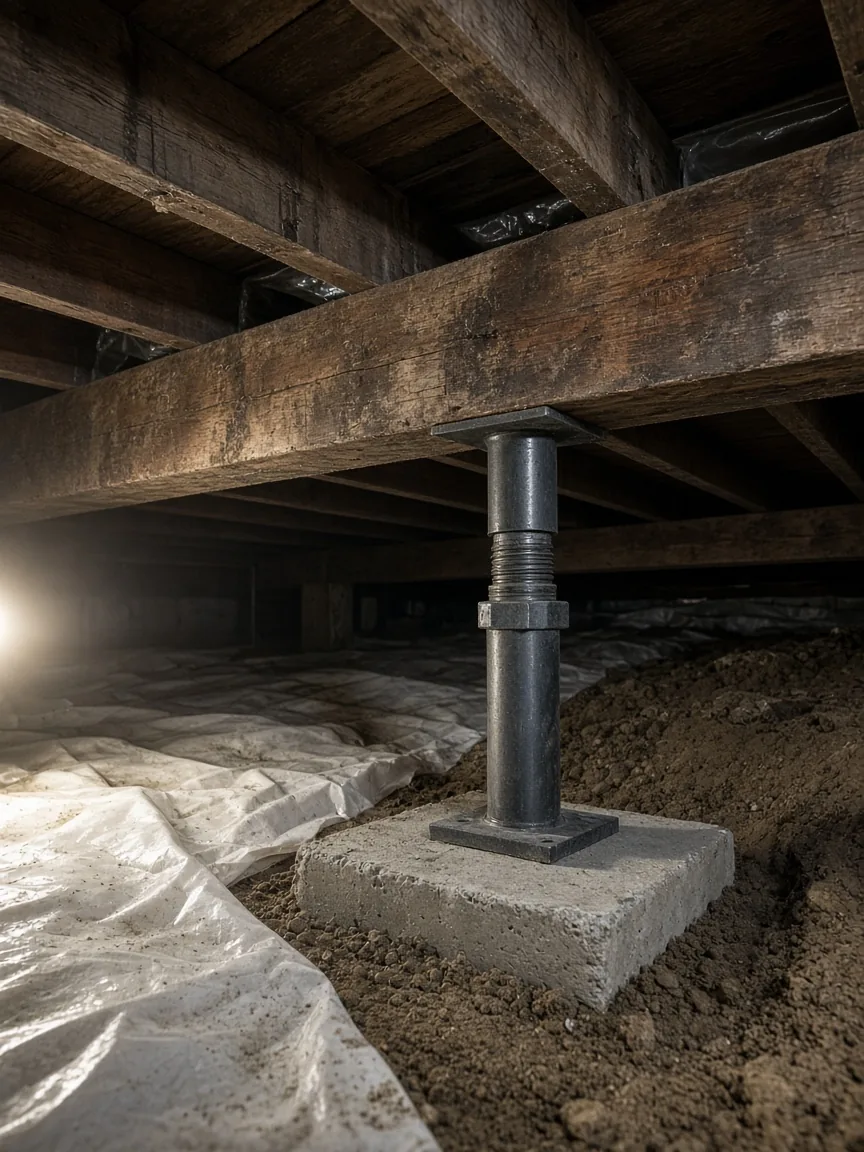
Bouncy, sloping or sagging floors.
Standing water under the house.
Torn, loose or missing plastic on the ground.
Sticky, humid air and sweating ducts or pipes.
A mix of problems.
See crawl space repair.
DOE's guide on water management of an existing crawl space floor says bulk water and drainage problems are treated before a vented crawl space is sealed and insulated, and that standing water means bulk water is getting in. The unvented crawl space guide adds that standing water, mold, rotten wood and hazardous materials should be dealt with before air sealing and insulating, and warns against leaving low-efficiency heating equipment that draws combustion air from the crawl space in a sealed one.
So if water is getting in, the first job is drainage, not a liner. If the furnace or water heater draws its air from the crawl space, that has to be addressed before sealing.
DOE's Building America research found that unvented, conditioned crawl spaces cut heating and cooling energy use by 15 to 18 percent and reduced humidity by more than 20 percent. Those are research findings from DOE's program, not a promise for any one house. Results depend on the house, the equipment and how well the work is done.
The price is driven by the size and height of the crawl space, how much water control and repair comes first, how much debris and old insulation comes out, and which drying method the space needs. Our crawl space encapsulation cost page shows published Kansas City ranges and what moves them.
It costs more than a simple ground cover. It needs a drying mechanism that uses power and needs upkeep. It will trap a water problem that was not fixed first. And it changes how combustion appliances and radon have to be handled: the DOE guide notes radon venting, where needed, goes under the liner, and Oak Ridge National Laboratory's Foundation Design Handbook notes that closing vents may increase radon entry.
No, when moisture is the problem and water entry is fixed first. It is a gimmick when it is sold as a cure for things it does not fix, such as a sagging floor or every musty smell. See sagging floors and mold and odor.
Not until the water is handled. DOE's water management guide puts drainage before sealing. Our guide on drainage before encapsulation explains the order.
DOE's research found 15 to 18 percent lower heating and cooling energy use in unvented, conditioned crawl spaces. Whether your house sees a change, and how much, depends on the house. We do not promise a number.
Kansas City
Send a few photos through the access door and of the vents and downspouts outside. Ask for a crawl space encapsulation quote.